
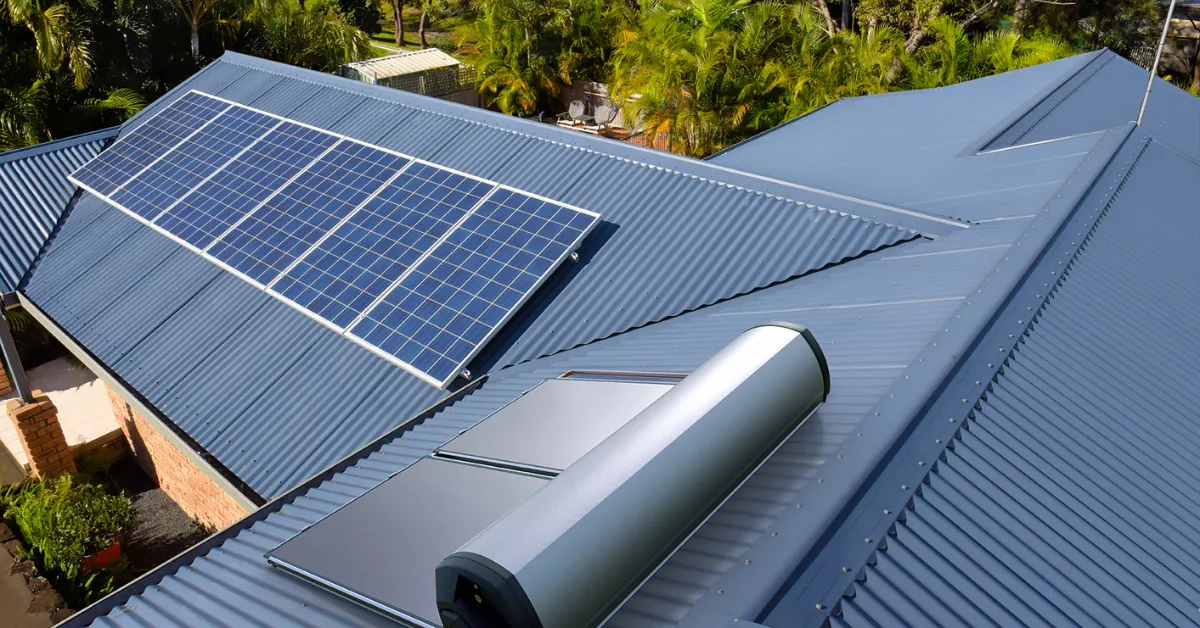
The most energy-efficient hot water systems in Australia are heat pump and solar hot water systems, as they use renewable energy from the air or sun rather than relying solely on electricity. Compared to conventional electric systems, these technologies can reduce energy consumption by up to 70–80%. Heat pump systems are widely regarded as the most efficient option across diverse Australian climates, while solar hot water systems perform exceptionally well in regions with high sunlight exposure. Premium heat pump models and modern solar systems now offer strong performance, long-term savings, and reduced environmental impact.
Why Energy Efficiency Matters for Hot Water Systems in Australia
Hot water systems are one of the largest energy consumers in Australian homes. According to national energy data, water heating accounts for approximately 15% to 30% of total household energy use. It is also responsible for up to 25% of greenhouse gas emissions from an average Australian household when powered by electricity or gas. Choosing an energy-efficient hot water system significantly reduces ongoing power costs and lowers carbon emissions, making it one of the most impactful upgrades a homeowner can make.
What Is an Energy-Efficient Hot Water System?
An energy-efficient hot water system is designed to deliver the required amount of hot water while using the least possible amount of energy. These systems maximise the conversion of energy input into usable heat and minimise losses through advanced insulation, efficient heat transfer technology, and smart temperature control. In Australian households, modern energy-efficient hot water systems can reduce energy consumption by up to 80% compared to older electric storage units, particularly when renewable energy sources are utilized.
How Energy Efficiency Is Measured in Australia
Energy efficiency in hot water systems is primarily measured by annual energy consumption in kilowatt-hours per year (kWh/year). A lower kWh figure indicates a more efficient system. Gas hot water systems are also rated under a star rating scheme, typically ranging from 1 to 6 stars, with each additional star representing a significant improvement in efficiency. Minimum Energy Performance Standards (MEPS) apply to electric and gas storage water heaters as well as gas instantaneous systems, ensuring a baseline level of efficiency across the Australian market.
Types of Hot Water Systems Used in Australia
Australian households generally use either storage-based or instantaneous hot water systems. Storage systems heat water in a tank and maintain it at a constant temperature for use throughout the day, whereas instantaneous systems heat water only when it is required. Storage systems are more common but experience standby heat losses, whereas instantaneous systems eliminate these losses by operating on demand.
Electric Storage Hot Water Systems
Electric hot water systems remain widely used across Australia due to their low upfront cost and simple installation. However, they are the least energy-efficient option available. An average electric storage system consumes around 4,000 kWh of electricity per year, making it expensive to run without solar PV support. While modern models offer improved insulation and controls, they still lag significantly behind heat pumps and solar alternatives in terms of efficiency.
Solar Hot Water Systems
Solar hot water systems use roof-mounted solar collectors or evacuated tubes to capture energy from the sun and heat household water. In most Australian locations, these systems can provide 60–90% of annual hot water needs from solar energy alone. Average energy consumption drops to approximately 1,000 kWh per year, representing a reduction of up to 75% compared to electric storage systems. In cooler climates or during periods of low sunlight, a gas or electric booster is required to maintain a consistent hot water supply.
Heat Pump Hot Water Systems – The Most Efficient Option
Heat pump hot water systems operate by extracting heat from the surrounding air and transferring it to water using a refrigeration cycle. Because they move heat rather than generate it, they use significantly less electricity than traditional electric systems. In Australian conditions, a heat pump hot water system typically consumes around 1,200 kWh per year, delivering energy savings of up to 70–80%. Modern heat pumps are designed to operate efficiently even in cooler climates, making them the most versatile and energy-efficient choice nationwide.
Gas Hot Water Systems
Gas hot water systems use natural gas or LPG to heat water and are commonly installed outdoors due to ventilation requirements. Continuous flow gas systems are the most popular type and offer improved efficiency over gas storage units. On average, gas hot water systems consume the equivalent of 2,300 to 2,500 kWh per year, providing moderate energy savings compared to electric storage systems. However, gas storage systems are particularly inefficient in cold climates due to high heat loss from the tank.
Instantaneous and Continuous Flow Hot Water Systems
Instantaneous hot water systems heat water only as it flows through the unit, eliminating standby heat loss associated with storage tanks. Gas continuous flow systems typically use around 2,000 to 2,200 kWh equivalent per year, delivering energy savings of up to 45% compared to traditional electric storage systems. Electric instantaneous systems are less efficient than gas models but still outperform electric storage units in many households with moderate hot water usage.
Storage Tank Hot Water Systems
Storage tank systems maintain a supply of heated water at all times and can be powered by electricity, gas, solar, or heat pump technology. Their efficiency depends heavily on insulation quality, tank size, and heating method. A well-insulated electric storage system uses approximately 3,800 kWh annually, while solar-boosted or heat pump storage systems can reduce energy use to as little as 1,000 kWh per year.
Off-Peak Tariffs and Energy Use
Electric storage hot water systems can be connected to off-peak electricity tariffs, allowing water to be heated when power prices are lower. While this reduces running costs, it does not reduce overall energy consumption or greenhouse gas emissions. Renewable systems such as heat pumps and solar hot water systems remain the most effective solution for both cost savings and environmental impact.
Installation Considerations in Australia
Professional installation plays a critical role in system performance and efficiency. A licensed installer assesses household hot water demand, local climate, available space, existing plumbing, electrical or gas supply, and solar orientation where applicable. Incorrect installation can significantly reduce efficiency, shorten system lifespan, and prevent eligibility for government rebates.
Rebates for Energy-Efficient Hot Water Systems
Australia offers several government incentives to encourage the adoption of efficient hot water systems. Solar and heat pump hot water systems are eligible for Small-scale Technology Certificates (STCs), which can substantially reduce upfront costs. Additional rebates may be available through state-based programs such as the NSW Energy Savings Scheme and Victorian Energy Upgrades, provided the system meets required efficiency standards and is installed by a licensed professional.
Most Energy-Efficient Hot Water System Brands in Australia
Leading energy-efficient hot water system brands in Australia include Rheem, Rinnai, Bosch, Dux, Rheem, Aquamax, and Sanden. These manufacturers consistently achieve high efficiency ratings through advanced compressor technology, superior insulation, smart controls, and efficient heat exchangers. Their systems are tested under Australian standards to ensure reliable performance across different climate zones.
Which Hot Water System Is Best for Australian Homes?
The best hot water system depends on climate, energy availability, and household usage. In most parts of Australia, heat pump hot water systems offer the best balance of efficiency, reliability, and cost savings. In regions with high solar exposure, solar hot water systems provide outstanding long-term performance. Gas continuous flow systems remain a suitable option where gas is readily available and renewable systems are not practical.
Final Verdict
For most Australian households, heat pump hot water systems are the most energy-efficient option available. They deliver consistent performance across climates, drastically reduce electricity usage, and qualify for government rebates. In sunny regions, solar hot water systems with efficient boosters provide equally impressive results. Choosing the right system ensures lower energy bills, reduced environmental impact, and reliable hot water for years to come.
FAQs
What is the most energy-efficient hot water system in Australia?
Heat pump hot water systems are considered the most energy-efficient option in Australia because they use up to 70–80% less electricity than standard electric systems. Solar hot water systems are also highly efficient, especially in regions with strong sunlight.
Are heat pump hot water systems cheaper to run?
Yes, heat pump hot water systems are much cheaper to run than electric storage systems. On average, they consume around 1,200 kWh per year compared to approximately 4,000 kWh for traditional electric hot water systems.
Is solar hot water better than a heat pump?
Solar hot water systems work extremely well in sunny areas, while heat pumps provide more reliable performance across all climates. For most Australian homes, heat pumps deliver better year-round efficiency.
How much energy does a typical hot water system use in Australia?
A standard electric hot water system typically uses about 4,000 kWh per year. Heat pump systems use roughly 1,200 kWh annually, while solar hot water systems average around 1,000 kWh.
Do energy-efficient hot water systems qualify for rebates?
Yes, energy-efficient systems such as heat pumps and solar hot water units are eligible for government rebates, including Small-scale Technology Certificates (STCs). Additional state-based rebates may also apply.
Are gas hot water systems energy efficient?
Gas continuous flow hot water systems are more energy efficient than electric storage units but less efficient than heat pumps or solar systems. Gas storage systems are generally inefficient due to high heat loss.
Do instantaneous hot water systems save energy?
Instantaneous hot water systems save energy by heating water only when needed, eliminating standby heat loss. Gas instantaneous systems can reduce energy use by up to 45% compared to electric storage systems.
Which hot water system is best for South Australia?
In South Australia, heat pump hot water systems are often the best option due to their efficiency and strong performance in varying temperatures. Solar hot water systems are also effective because of high solar exposure.
How long do energy-efficient hot water systems last?
Most energy-efficient hot water systems last between 10 and 15 years with proper installation and maintenance. Heat pump and solar systems often outlast conventional electric hot water units.
Is professional installation necessary for efficient performance?
Yes, professional installation is essential to ensure correct sizing, compliance with Australian standards, and maximum efficiency. Incorrect installation can increase running costs and affect rebate eligibility.