
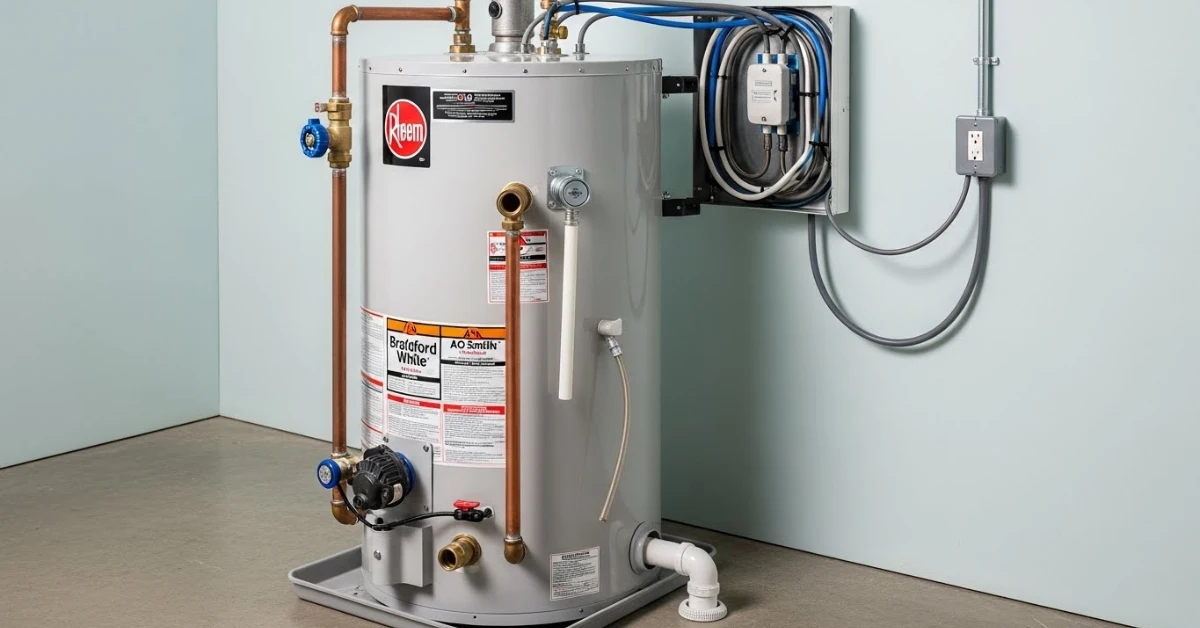
Turning off an electric hot water system in Australia is straightforward when you know the right steps and safety checks. In simple terms, it involves switching off the power supply at the circuit breaker and isolating the water to prevent pressure or leaks. This guide is written for Australian homeowners, renters, and property managers who need to shut down an electric system for maintenance, travel, upgrades, or unexpected issues.
Below, you’ll find a clear, up-to-date walkthrough that explains what to do, what to avoid, and why each step matters, based on how modern electric systems are installed in Australian homes today. The information is practical, safety-focused, and designed to help you act with confidence while protecting both your system and your household.
Key Takeaways
- Always make sure the storage tank contains water before switching off power to avoid damage to the heating element
- Turn off the dedicated circuit breaker or isolator before interacting with the system
- Do not adjust temperature controls or electrical settings while shutting the system down
- Stop the process if the breaker trips repeatedly or the system shows signs of overheating
- Schedule regular maintenance to reduce the risk of faults and extend system lifespan
- Contact a licensed professional if anything seems unsafe or unclear during shutdown
Why Knowing How to Operate Your Hot Water System Matters
When issues like leaks, maintenance needs, or unexpected faults arise, knowing how to correctly shut the system down can prevent water damage and reduce the risk of electrical hazards. It also helps you respond calmly during urgent situations, rather than relying on guesswork. For Australian households, where hot water systems run year-round, this basic knowledge supports smarter energy use and gives homeowners greater control over one of the most important appliances in the home. Therefore, understanding how to safely manage your hot water system is essential for protecting your home, your energy bills, and your safety.
Why You Might Need to Turn Off Your Hot Water System
There are several everyday situations where switching off your hot water system is the safest and smartest option. Planned maintenance, plumbing repairs, or replacing a faulty component all require the system to be shut down to avoid damage. In emergencies such as leaks, unusual noises, or electrical issues, turning it off quickly can help prevent further problems and reduce safety risks. It’s also commonly done before extended travel to lower energy use and minimise the chance of hidden leaks while the home is unattended.
First Things First: Identify Your Hot Water System Type
Identifying the type of system first is crucial because each requires a specific shutdown approach. Confirming your system type before attempting to turn it off prevents damage, ensures safety, and allows for a smoother process.
Common Types and How to Spot Them:
- Electric Storage Hot Water System: Usually a tank inside a cupboard or garage, look for electric elements and wiring.
- Gas Hot Water System (Storage or Continuous Flow): Connected to a gas line, may have a vent or flue, instantaneous units are usually wall-mounted.
- Solar Hot Water System (with or without Booster): Roof-mounted solar panels or tubes, check for a booster unit or storage tank.
- Heat Pump Hot Water System: Box-like unit outside or near the house, connected to a fan and refrigerant lines for heat extraction.
If you’re unsure or can’t identify your system, consulting a licensed plumber is always the safest option.
Locating Your Hot Water System
Most homes have their systems installed in accessible areas, and being aware of these locations can save time and prevent damage. Common locations include:
- Utility Room or Closet: Many storage tanks and tankless gas systems are installed near laundry machines or furnace areas, with valves easily accessible.
- Garage: Units may be floor-standing or wall-mounted; check around sinks and along the garage perimeter for the water shutoff.
- Outside Wall: Tankless systems are often mounted externally, close to gas and water lines entering the home.
- Basement: Water heaters may be along basement walls or in a mechanical room, often requiring extra care when navigating tight spaces.
- Attic: Some homes have attic installations; ensure safe access around beams and ducts when locating valves.
Being familiar with your system’s location allows for fast, safe access to the shutoff valve, ensuring you can stop water flow efficiently during maintenance or emergencies.
Safety Precautions When Turning Off a Hot Water System
- Use basic protective gear
Wearing gloves and safety glasses helps protect against hot surfaces, sharp edges, or unexpected leaks around the unit.
- Isolate the energy source carefully
For electric systems, switch off power at the circuit breaker before touching anything. For gas systems, ensure the gas isolation valve is fully turned off and handled with care.
- Avoid contact with hot or live components
Pipes, valves, and internal parts can remain hot even after shutdown. Never touch exposed wiring or attempt electrical adjustments.
- Allow the system to cool before working nearby
Giving the unit time to cool reduces the chance of burns and makes the shutdown process safer.
- Follow manufacturer guidelines and know your limits
Every system is different. If anything feels unclear or unsafe, stopping and calling a licensed plumber is the safest choice.
How to Turn Off a Hot Water System
Turning off a hot water system should always be done carefully by first identifying the unit and isolating both the water supply and energy source. This controlled approach helps reduce pressure, avoids damage, and keeps the shutdown safe. If you notice leaks, strange sounds, or strong smells, it’s best to stop and rely on a licensed professional rather than rushing the process.
How to Turn Off an Electric Hot Water System (Step-by-Step)
- Go to your main switchboard and switch off the circuit breaker dedicated to the hot water system.
- Locate the cold-water inlet valve connected to the tank and turn it clockwise to stop water flow.
- Wait a few minutes and observe the unit for any continued water movement or visible leaks.
- If anything appears unusual, avoid further handling and contact a licensed plumber.
How to Turn Off a Gas Hot Water System (Including Instantaneous Units)
- Find the gas isolation valve near the unit and turn it fully to the off position.
- Set the system’s control dial to off so it is no longer operating internally.
- Shut the cold-water inlet valve to reduce pressure and stabilise the unit.
- If you notice a gas smell or hear abnormal sounds, leave the area and seek professional help.
Turning Off a Continuous Flow or Instantaneous Hot Water System
- Isolate the energy source by switching off the gas supply or electrical circuit connected to the unit.
- Close the cold-water inlet valve to prevent the system from activating unexpectedly.
- Avoid opening or adjusting internal components, as these units are compact and sensitive.
- Arrange professional servicing if maintenance or inspection is required.
How to Turn Off a Solar Hot Water System (with or without Booster)
- Turn off the booster system, whether it is electric or gas, to stop additional heating.
- Shut the main cold-water inlet valve supplying the storage tank.
- Leave roof-mounted collectors and pipework untouched due to high heat and pressure.
- Contact a qualified technician if leaks or faults are present.
How to Turn Off a Heat Pump Hot Water System
- Switch off the dedicated circuit breaker at the main electrical board.
- Close the cold-water inlet valve connected to the tank.
- Allow the system time to sit so internal pressure and heat can settle.
- Only proceed with inspection once the unit has cooled, or engage a licensed professional.
When Should You Turn Off Your Hot Water System?
You should turn off your hot water system during leaks, electrical or gas-related issues, before renovations, when upgrading the unit, or if the property will be vacant for an extended time. Shutting it down in these situations helps prevent damage, safety risks, and unnecessary energy use.
Is It Safe to Turn Off Your Hot Water System?
In most situations, switching off a hot water system is a safe and sensible step, especially during faults or maintenance. Extra care is needed with different systems, as heat, pressure, or gas components may still pose risks after shutdown.
Can You Turn Off the Hot Water But Leave Cold Water Running?
Yes, the cold-water supply operates independently from the hot water system. Turning off hot water will not interrupt cold taps, making this a practical option during leaks or system issues.
What to Do Before Going on Vacation
Before leaving for an extended break, shutting down your hot water system helps reduce risk and unnecessary energy use. Isolating the water and energy supply ensures the system remains stable while the property is unattended.
Troubleshooting Common Issues
If the system does not shut down as expected, double-check isolation points and nearby valves. Minor irregularities should be addressed early to avoid complications later.
Handling Leaks and Emergencies
Unexpected water flow or visible leaks require immediate action by isolating the nearest shut-off point. Acting quickly can limit property damage and reduce pressure on the system.
When to Call a Licensed Plumber
If the issue involves safety components or ongoing faults, professional help is the safest option. A licensed plumber can properly diagnose the problem, carry out compliant repairs, and help prevent further damage. If you’re unsure at any stage, it’s best not to take chances, reach out to your local plumbing experts at sahotwater to ensure everything is handled safely and correctly from the start.
Expert Tip: Label Your Switchboard and Valves
Clearly marked switches and valves can save valuable time during an emergency. Knowing exactly what to shut off reduces confusion and helps prevent further damage when quick action is needed.
Save Water, Save Money, Stay Safe
Switching off your hot water system during extended periods of non-use can reduce energy consumption, lower your bills, and extend the life of your system. It’s a simple step that contributes to household safety and efficiency.
Common Hot Water System Problems in Australia
In Australia, there are frequent issues including leaks, faulty thermostats, pilot light failures, and sediment build-up in tanks. Identifying these problems early and seeking professional assistance can prevent costly repairs and ensure reliable hot water
Contact Us (button)
FAQs
What should I do if my hot water system is not working?
Check the power or gas supply, inspect for leaks, and call a licensed plumber if the problem persists.
How can I prevent my hot water system from overheating?
Regularly service your system, maintain the correct thermostat setting, and ensure safety valves are functioning.
Can I reset my hot water system myself?
Only reset according to the manufacturer’s instructions, if unsure, contact a professional to avoid damage or injury.
Is it safe to turn off my system every day?
Yes, it’s generally safe to turn off your hot water system daily, but frequent switching may slightly reduce efficiency over time. Therefore, always follow safety precautions.