
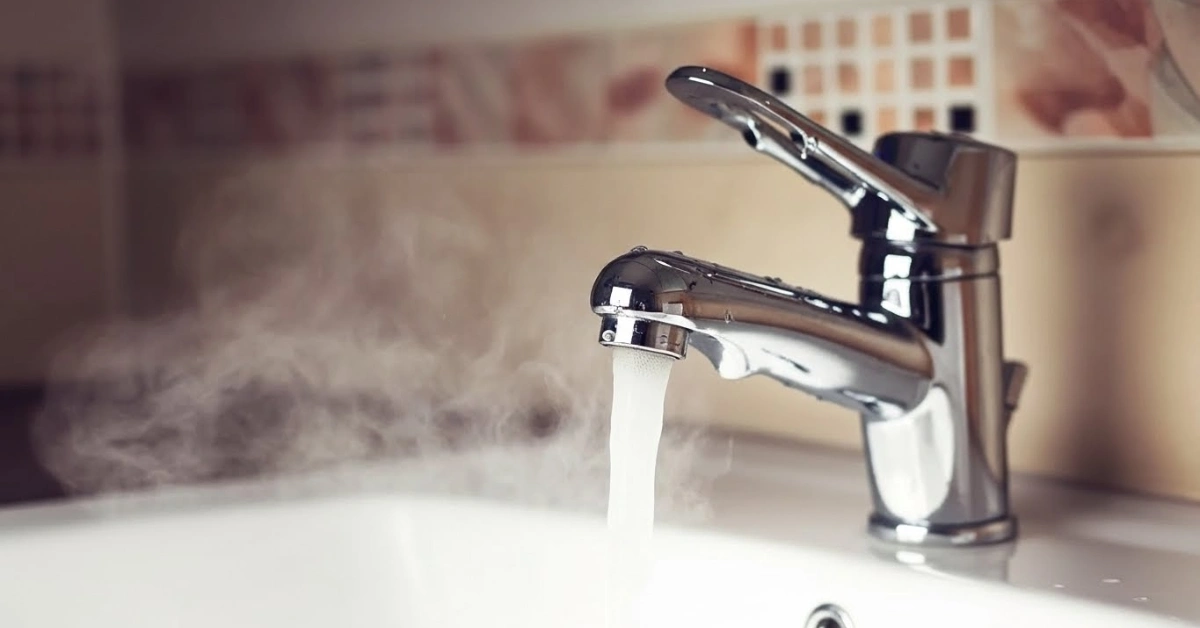
Hot water systems heat and supply water for daily household use, making them essential during Adelaide’s colder winter months. As temperatures drop, systems work harder due to colder inlet water and increased usage. This article explains how to prepare electric, gas, solar, and heat pump hot water systems for winter to maintain performance, safety, and energy efficiency.
Why Winter Preparation Matters for Hot Water Systems in Adelaide
Impact of Cold Inlet Water on Heating Performance
During winter, incoming water temperatures are significantly lower, forcing the system to use more energy to reach the required heat level. This increases heating time and places extra strain on internal components. Without preparation, efficiency drops and failure risks rise.
Higher Hot Water Demand in Winter
Showers are longer, and hot water usage increases across households in colder months. Systems that are already underperforming may struggle to keep up. Winter preparation ensures a consistent supply during peak demand.
Inspect Your Hot Water System Before Winter
Check for Leaks, Rust, and Moisture
Visible leaks, corrosion, or damp areas around the tank indicate early system failure. Cold weather can worsen pressure-related issues and accelerate corrosion. Identifying these signs early prevents sudden winter breakdowns.
Ensure Proper Clearance and Ventilation
Hot water systems require adequate airflow to operate safely. Obstructed ventilation reduces efficiency and increases safety risks, especially for gas and heat pump systems. Clear space around the unit before winter begins.
Check Power, Gas Supply, and System Controls
Electrical Supply Checks for Electric Systems
Inspect the switchboard to ensure circuit breakers are stable and not frequently tripping. Cold-weather power fluctuations can expose hidden electrical faults. A consistent power supply is critical for reliable winter operation.
Gas Supply and Ignition Checks for Gas Systems
Confirm the gas isolation valve is fully open and the ignition system is functioning correctly. Cold temperatures can affect pilot lights and ignition components. Any ignition issues should be assessed by a licensed gas technician.
Thermostat and Temperature Settings for Winter Use
Recommended Winter Temperature Settings
In Australia, storage hot water systems should be set to approximately sixty degrees Celsius. This ensures effective heating, reduces bacteria risk, and supports higher winter demand without overloading the system.
Signs of Thermostat Performance Issues
Inconsistent water temperature or slow reheating often indicates thermostat wear. Cold conditions magnify these issues. A faulty thermostat reduces efficiency and should be professionally tested and replaced if required.
Remove Sediment to Improve Winter Efficiency
Why Sediment Buildup Affects Winter Performance
Mineral deposits settle at the bottom of storage tanks over time. This sediment acts as an insulating layer, reducing heat transfer. In winter, this leads to longer heating cycles and higher energy use.
Benefits of Flushing the Tank Before Winter
Tank flushing removes sediment buildup and restores heating efficiency. It also reduces strain on heating elements and extends system lifespan. This is especially important in Adelaide areas with mineral-rich water.
Protect Internal Components Under Winter Load
Importance of the Sacrificial Anode
The anode protects the tank from internal corrosion. Increased winter heating accelerates anode wear. A depleted anode leaves the tank vulnerable to rust and leaks, making inspection essential before winter.
Heating Element Condition in Cold Weather
Heating elements work harder during winter due to colder inlet water. Worn or scaled elements struggle to maintain temperature. Replacing failing elements improves reliability and reduces energy waste.
Insulate Pipes and Storage Tanks
Pipe Insulation for Heat Retention
Insulating exposed hot water pipes reduces heat loss as water travels through the system. This improves delivery speed and reduces energy consumption during cold mornings.
Tank Insulation Benefits in Winter
Storage tank insulation minimises standby heat loss, especially overnight. This allows the system to maintain temperature more efficiently and reduces reheating cycles.
Preparing Solar and Heat Pump Hot Water Systems for Winter
Solar Hot Water Systems and Booster Performance
Reduced daylight hours limit solar energy generation in winter. The electric or gas booster becomes more important. Ensuring the booster operates correctly prevents hot water shortages.
Heat Pump Performance in Cold Air Temperatures
Heat pumps rely on surrounding air to generate heat. Cold air reduces efficiency if airflow is restricted. Clearing debris and checking controller settings improves winter performance.
Winter Hot Water System Preparation Checklist
| Preparation Task | System Type | Winter Benefit |
| Visual leak and corrosion inspection | All systems | Prevents sudden winter failures |
| Power or gas supply check | Electric, Gas | Ensures reliable heating |
| Thermostat temperature check | Electric, Gas | Maintains consistent hot water |
| Tank flushing | Storage systems | Improves heating efficiency |
| Anode and element inspection | Electric storage | Reduces corrosion and strain |
| Pipe and tank insulation | All systems | Minimises heat loss |
| Booster system check | Solar systems | Ensures winter backup heating |
| Airflow inspection | Heat pump systems | Maintains cold-weather efficiency |
Schedule Professional Hot Water Servicing Before Winter
What a Pre-Winter Service Includes
A professional service includes safety checks, electrical or gas testing, tank flushing, and component inspection. This ensures the system operates efficiently under winter demand.
Why Professional Servicing Prevents Breakdowns
Early fault detection reduces the risk of emergency failures during cold months. Professional servicing also ensures compliance with Australian safety standards and improves long-term reliability.
FAQs
Why does my hot water system struggle more during winter?
Cold inlet water lowers efficiency and increases heating time, forcing the system to work harder. This added load can expose worn components or existing faults.
How early should I prepare my hot water system for winter?
Preparation should be done before temperatures drop, ideally in early autumn. This allows time to fix issues before winter demand increases.
What temperature should a hot water system be set to in winter?
Storage systems in Australia should be set to around sixty degrees Celsius. This ensures safety, consistent performance, and adequate hot water supply during colder months.
Is flushing the hot water tank really necessary before winter?
Yes, sediment buildup reduces heat transfer efficiency, especially in winter. Flushing improves performance and reduces strain on heating components.
Can cold weather cause a hot water system failure?
Cold weather increases system workload and can trigger failures in aging or poorly maintained units. Electrical, gas, and thermostat issues are more common in winter.
Do solar hot water systems work well in Adelaide’s winter?
Solar systems still function but produce less energy due to shorter daylight hours. A properly working booster is essential for consistent winter performance.
How do I know if my hot water system needs servicing before winter?
Signs include slow heating, inconsistent temperatures, unusual noises, or visible corrosion. Professional servicing can identify issues before they worsen.
Should I insulate hot water pipes for winter?
Yes, pipe insulation reduces heat loss, improves delivery speed, and lowers energy usage. It is especially beneficial for exposed pipes in colder conditions.
How often should a hot water system be serviced?
Most hot water systems should be serviced annually. A pre-winter service helps ensure safe operation and prevents unexpected breakdowns.
When should a hot water system be replaced instead of repaired?
Replacement is recommended if the system is over ten years old, shows internal corrosion, or requires frequent repairs. Newer systems offer better efficiency and reliability.