
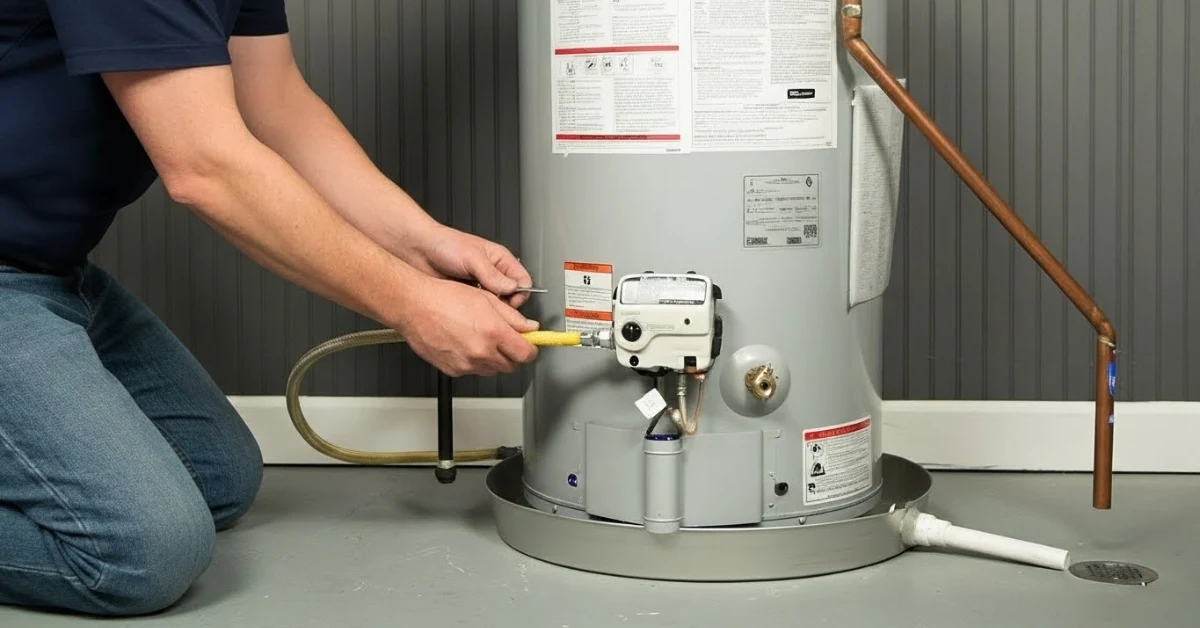
You should perform a flush on your hot water system at least once every year. In homes with very hard water, heavy usage, or visible sediment, flushing may be needed every six months or even quarterly. This process removes mineral deposits that can lower efficiency, create unusual noises, and damage the tank. Regular flushing helps prevent corrosion and prolongs the life of your system, particularly in areas with hard water.
Why Hot Water Systems Need Flushing
All hot water systems heat incoming water that naturally contains dissolved minerals such as calcium and magnesium. When water is heated, these minerals separate and settle at the base of the tank as sediment.
Over time, this sediment layer acts as an insulator between the heating element and the water, forcing the system to work harder. According to plumbing and energy efficiency studies, sediment buildup can reduce heating efficiency by up to 15–25%, depending on water hardness and usage patterns. Flushing removes this buildup before it causes long-term damage.
Standard Flushing Recommendation
For most Australian households, a hot water system should be flushed at least once per year. This annual flush is considered the minimum requirement for maintaining efficiency and preventing internal corrosion.
Adjusting Frequency Based on Water Conditions
Water quality plays a major role in determining how often flushing is required.
- Homes in hard water areas should flush the system every 6 months
- Large households with high daily hot water usage may require flushing two to three times per year
- Properties with whole-home water filtration or softeners can often maintain performance with annual flushing
Hard water accelerates mineral accumulation, making frequent flushing critical in many parts of Australia.
Do Water Heaters Need to Be Flushed Regularly?
Yes, regular flushing is essential for all tank-style hot water systems. Even when no visible issues are present, sediment can accumulate silently and shorten the system’s lifespan.
Plumbing manufacturers and service professionals consistently recommend routine flushing as part of standard hot water system maintenance. Skipping this maintenance step increases the risk of corrosion, reduced heating capacity, and early system replacement.
Signs Your Hot Water System Needs Flushing
A system that requires flushing often shows early warning signs before complete failure.
Common Indicators of Sediment Buildup
- Reduced hot water volume during normal use
- Popping, banging, or rumbling noises from the tank
- Cloudy or gritty hot water
- Longer heating times
- Rising energy bills with no usage change
These symptoms suggest sediment is interfering with heat transfer and internal components.
What Happens If You Do Not Flush Your Hot Water System?
Failure to flush allows sediment to harden into scale, which leads to multiple issues. Heating elements overheat, tank linings degrade faster, and pressure relief components can become obstructed.
Industry data shows that unmaintained systems may fail 3–5 years earlier than properly serviced units. In severe cases, corrosion caused by sediment can result in tank leaks that require immediate system replacement.
Hot Water System Flushing and System Lifespan
Regular flushing directly impacts how long a system lasts.
| Hot Water System Type | Average Lifespan (With Flushing) | Lifespan Without Maintenance |
| Electric Storage | 10–15 years | 7–9 years |
| Gas Storage | 8–12 years | 6–8 years |
| Tankless (Instant) | 18–20+ years | 10–12 years |
Consistent flushing and servicing can extend system life by 30–40% compared to neglected units.
Tank Hot Water Systems vs Tankless Systems
Flushing Storage Tank Systems
Traditional storage systems accumulate sediment at the bottom of the tank. These systems require direct flushing to physically remove mineral buildup.
Tankless Hot Water Systems Flushing
Tankless systems do not store water, but they are still vulnerable to scale buildup inside the heat exchanger. This process is commonly referred to as descaling rather than flushing.
Most manufacturers recommend descaling tankless systems every 1–2 years, particularly in hard water regions. Without descaling, efficiency drops, and internal components can fail prematurely.
This distinction makes tankless system maintenance an important internal-link topic for service pages.
Can You Flush a Hot Water System Yourself?
Flushing can be performed by homeowners, but it involves interaction with water supply lines, pressure valves, and gas or electrical connections. Improper handling can damage heating elements, clog drain valves, or create safety risks.
Professional flushing ensures:
- Safe isolation of power and water supply
- Complete sediment removal
- Inspection of pressure relief valves
- Early detection of corrosion or component wear
For this reason, many homeowners choose professional hot water system servicing.
How Regular Flushing Improves Energy Efficiency
Sediment buildup forces heating elements to operate longer to achieve the same water temperature. Energy efficiency audits show that a clean tank heats water faster and maintains temperature with less energy input.
Annual flushing can reduce heating costs by up to 10%, particularly in electric hot water systems where sediment directly impacts element performance.
Final Thoughts
Flushing your hot water system is a simple but critical maintenance task that protects efficiency, safety, and longevity. For most homes, annual flushing is essential, while properties in hard water areas benefit from more frequent servicing.
Whether you use a storage tank or a tankless system, regular flushing or descaling prevents costly repairs and early replacement. For expert advice, inspections, or professional flushing services, the team at SA Hot Water can help ensure your hot water system operates reliably year-round.
Frequently Asked Questions
Can flushing prevent my water heater from leaking?
Yes. Regular flushing removes sediment that can corrode the tank over time, reducing the risk of leaks and extending the unit’s lifespan.
How do I know if my pressure relief valve is working?
To test it, place a bucket under the valve and lift the lever. Water should flow through the discharge pipe; if it doesn’t, call a professional.
Can sediment affect water pressure?
Yes. Excess sediment can block outlets or pipes, reducing water pressure and limiting hot water flow throughout your home.
Does flushing affect my warranty?
Some manufacturers require regular maintenance, including flushing, to keep warranties valid. Check your system’s manual or contact your provider.
What tools do I need to flush my system safely?
A standard garden hose, bucket, and gloves are often enough for DIY flushing, but handling electrical or gas connections may require professional assistance.
Is flushing different for gas and electric systems?
The process is mostly the same, but gas systems may need the pilot light turned off first, and electric systems require shutting off the power at the circuit breaker.
How long does a flushing session take?
Typically, flushing a standard tank takes 20–40 minutes, depending on tank size and sediment level. Tankless descaling may take longer.
Can flushing remove rust from the tank?
Flushing primarily removes sediment; it may reduce minor rust particles, but extensive corrosion may require professional inspection or tank replacement.
Will flushing improve hot water temperature?
Yes. Removing insulating sediment allows the heating element to work more efficiently, so water heats faster and maintains temperature longer.
Should I flush my system before selling my home?
It’s a good idea. A recently flushed water heater demonstrates proper maintenance, potentially increasing buyer confidence and system lifespan.